
Books
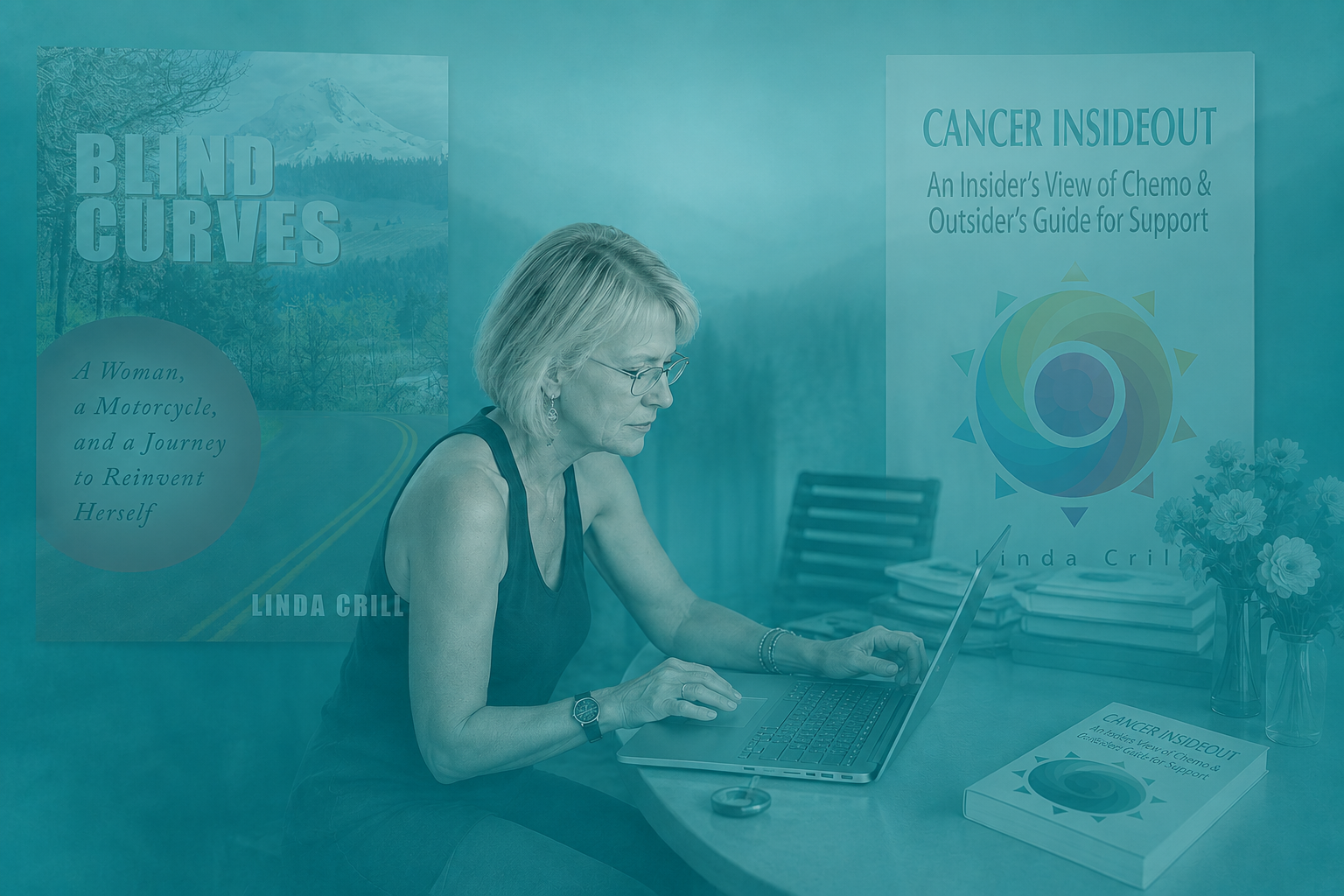
For Life’s “What Now?” Moments
What Do Linda’s Books Have In Common?

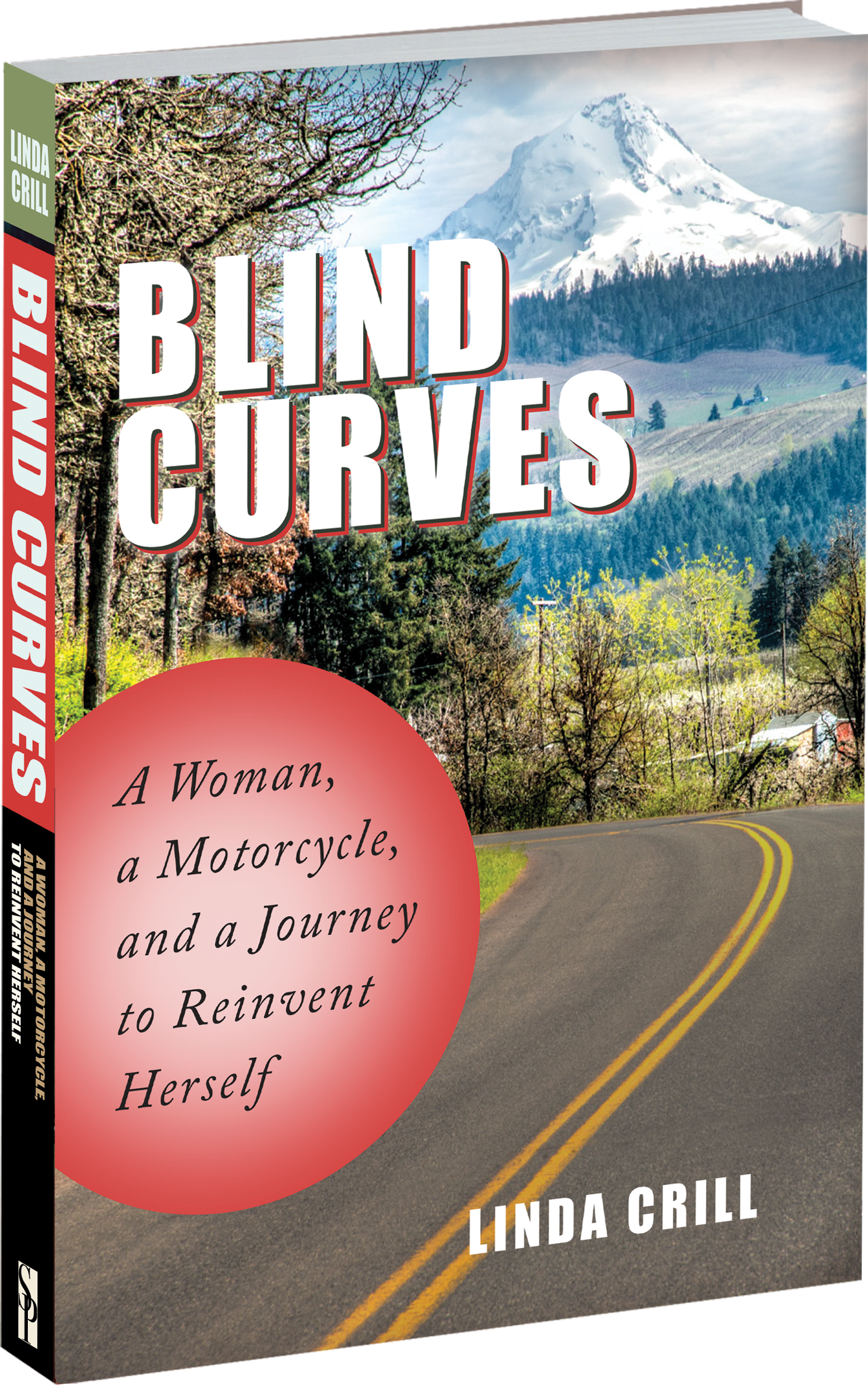
Blind Curves—A Woman, A Motorcycle, and a Journey to Reinvent Herself
One woman’s unlikely journey becomes a story of moving forward when the old life no longer fits and discovering possibilities beyond the familiar.
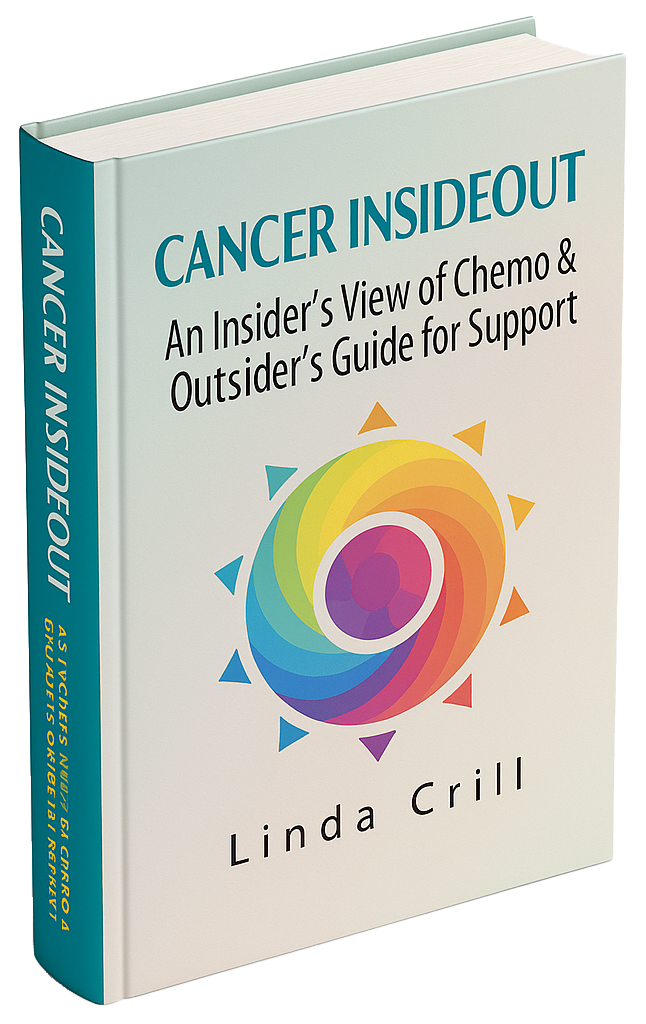
Cancer InsideOut–An Insider’s View of Chemo & Outsider’s Guide for Support
A candid journey inside cancer and chemo that helps people with cancer feel seen and show family, friends and coworkers practical ways to truly support them.
Stories that engage readers while exploring how we navigate the unknown, face the unexpected, and answer the question: What Now?

Cancer
InsideOut
Support Someone with Cancer—Without Guessing What to Say or Do
What helps • What hurts • What Truly Matters
When someone you love is diagnosed with cancer, it's natural to wonder what to say, what to do, and how to truly help. Cancer InsideOut was written to answer those questions with practical guidance, honest insight, and real-world experience
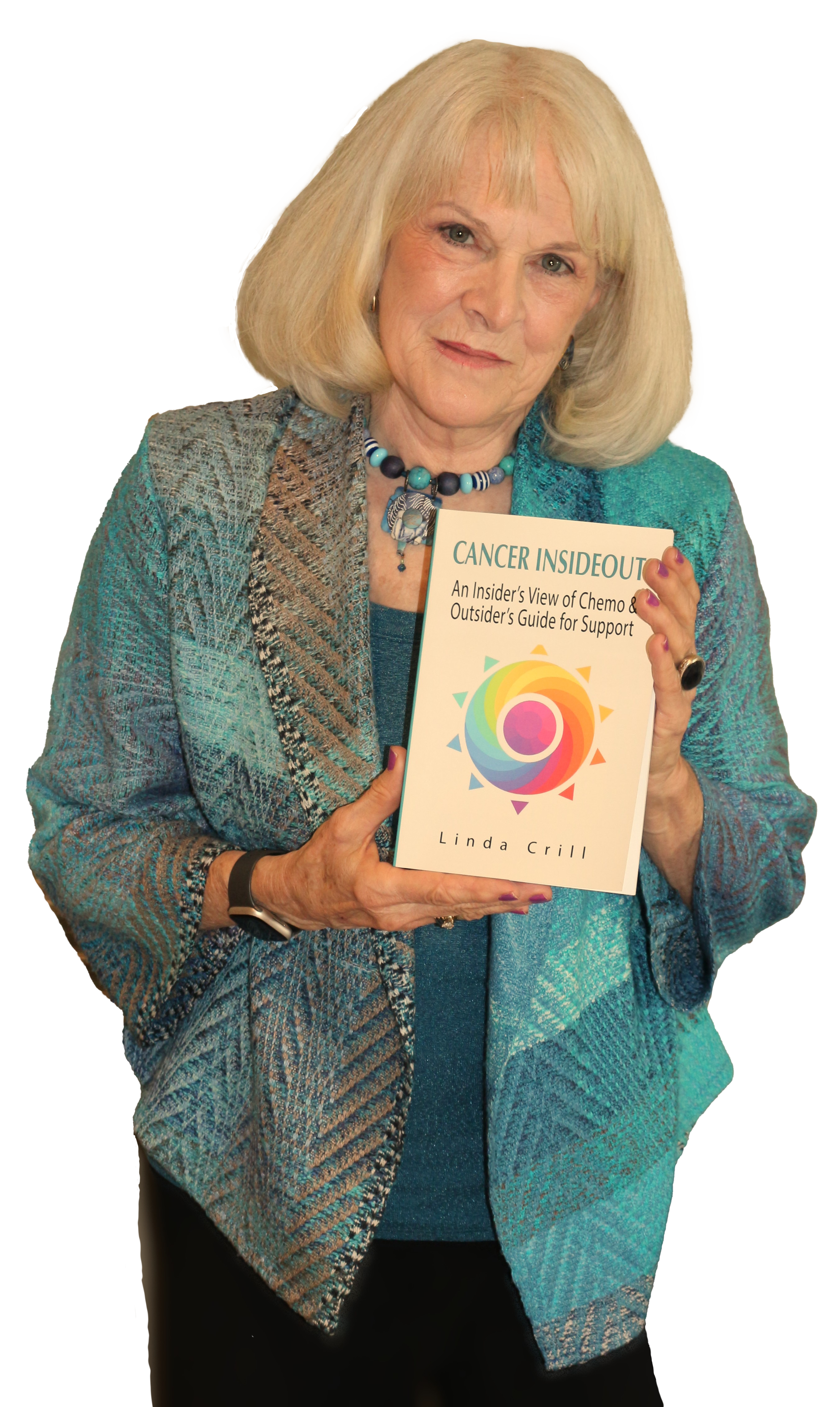
Real-world guidance from a . . .
Three-time breast cancer survivor
Caregiver for husband with terminal cancer.
Speaker & Author
Cancer InsideOut—Book with Two Perspectives
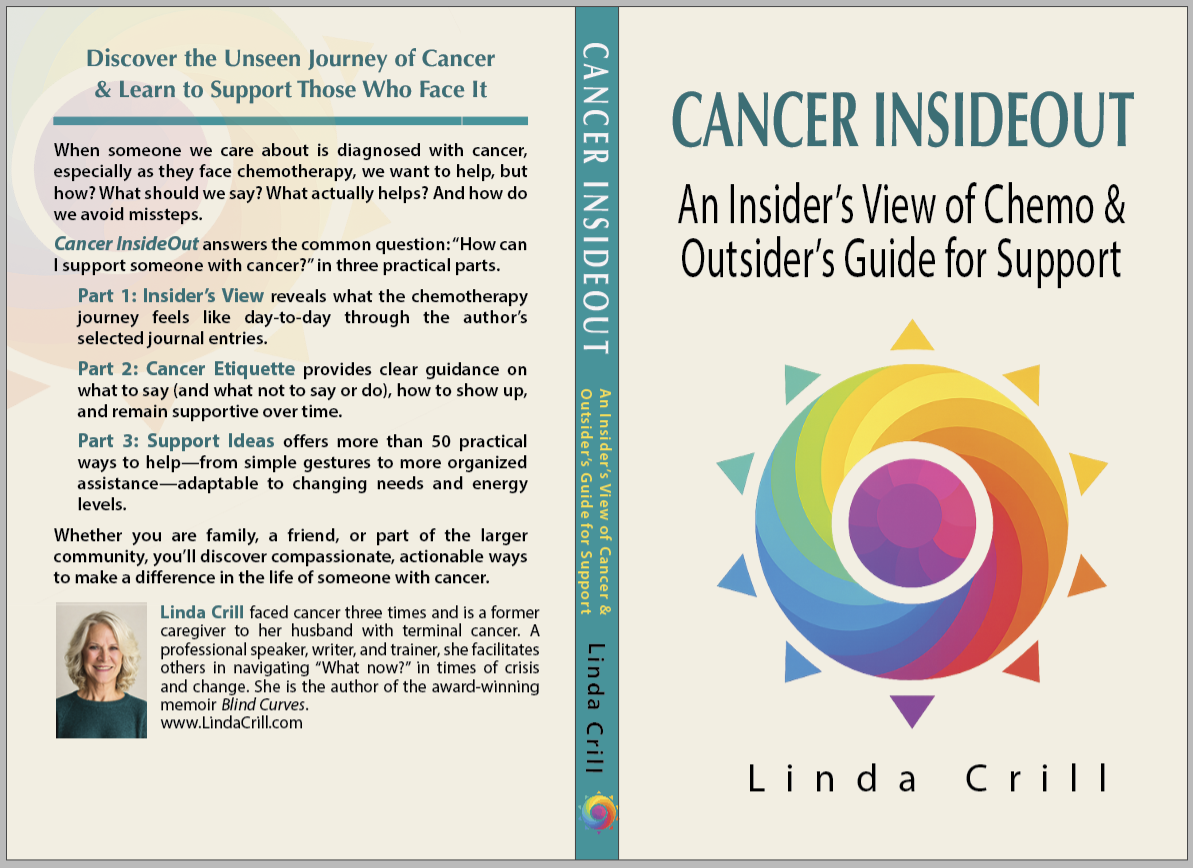
Cancer InsideOut is a bridge between two people living through the same cancer experience from different sides. One voice comes from the person living with cancer. The other comes from family members, friends, and coworkers who want to help but aren't sure how.
The Insider’s View
People Living with Cancer
The Outsider’s View
All who want to support them: family, friends, neighbors & coworkers

The Insider’s Story
Two months after moving 3,000 miles from Washington, D.C., to Northern California, before I had a chance to build many new friendships, I was diagnosed with breast cancer for the third time. During the next nine months of surgery and chemotherapy, I was encouraged to avoid exposure to groups of people, leaving me unexpectedly isolated at a time when I most needed connection.
Without local friends to share the journey with, I began writing about the inner experience of living with cancer. When people ask, "How are you?" we usually answer with how we're feeling that day or how treatment is going. Rarely do we put into words the deeper thoughts and feelings that lie beneath our everyday answers..
Over time, those writings became a collection of Selected Insider Reflections, each exploring a different aspect of living with cancer. They ask questions and explore experiences such as:
"Identity — “Who am I now that people look at me differently?"
Expectations — "How do I stop everyone from expecting me to be Superwoman?"
Fear — "What does it feel like knowing my own body could change my future?"
Humor — "How do I laugh when I can't change what's happening?"
Pain — “How Do I get through a day that begins with pain?”
When I shared some of these reflections, I heard things like, “I was with my mother throughout her cancer, but I never knew what was happening inside.” Others who had experienced cancer themselves said, “You gave words to feelings I never knew how to explain.”
Each of the 30 Selected Insider Reflections reveals a different part of living with cancer. Together, they give voice to thoughts, fears, questions, and unexpected moments that many people living with cancer experience but rarely say aloud.
The Outsider’s Story
WHAT TO SAY
Words that bring connection and comfort
WHAT NOT TO SAY OR DO
Avoid common gmisstep that unintentionally hurt
PRACTICAL WAYS TO HELP
More than 50+ practical ideas that go beyond “Let me know if you need anything.”
When someone we care about is diagnosed with cancer, our first reaction is usually compassion and wanting to make their life just a little easier. But almost immediately we ask ourselves: “How?”
Many of us have never walked through cancer ourselves and those of us who have don’t know how to answer what to do in this circumstance.
Over the years, whether speaking to cancer organizations, medical centers, or community groups, these most asked questions are:
"What do I say?"
"What shouldn't I say?"
"What can I do that would actually help?"
Many had already offered, "Let me know if there's anything I can do. "But they sensed that wasn't enough. They wanted practical guidance.
That’s why the second half of Cancer InsideOut to address these questions.
Part 2: Etiquette: What to Say & Not Say or Do
Part 3: 50+Support ideas:
These second two parts help outsider’s know how to support those with cancer and they give caregivers and people with cancer ideas about how to suggest support that helps them over the span of their cancer journey.

Readers Voices
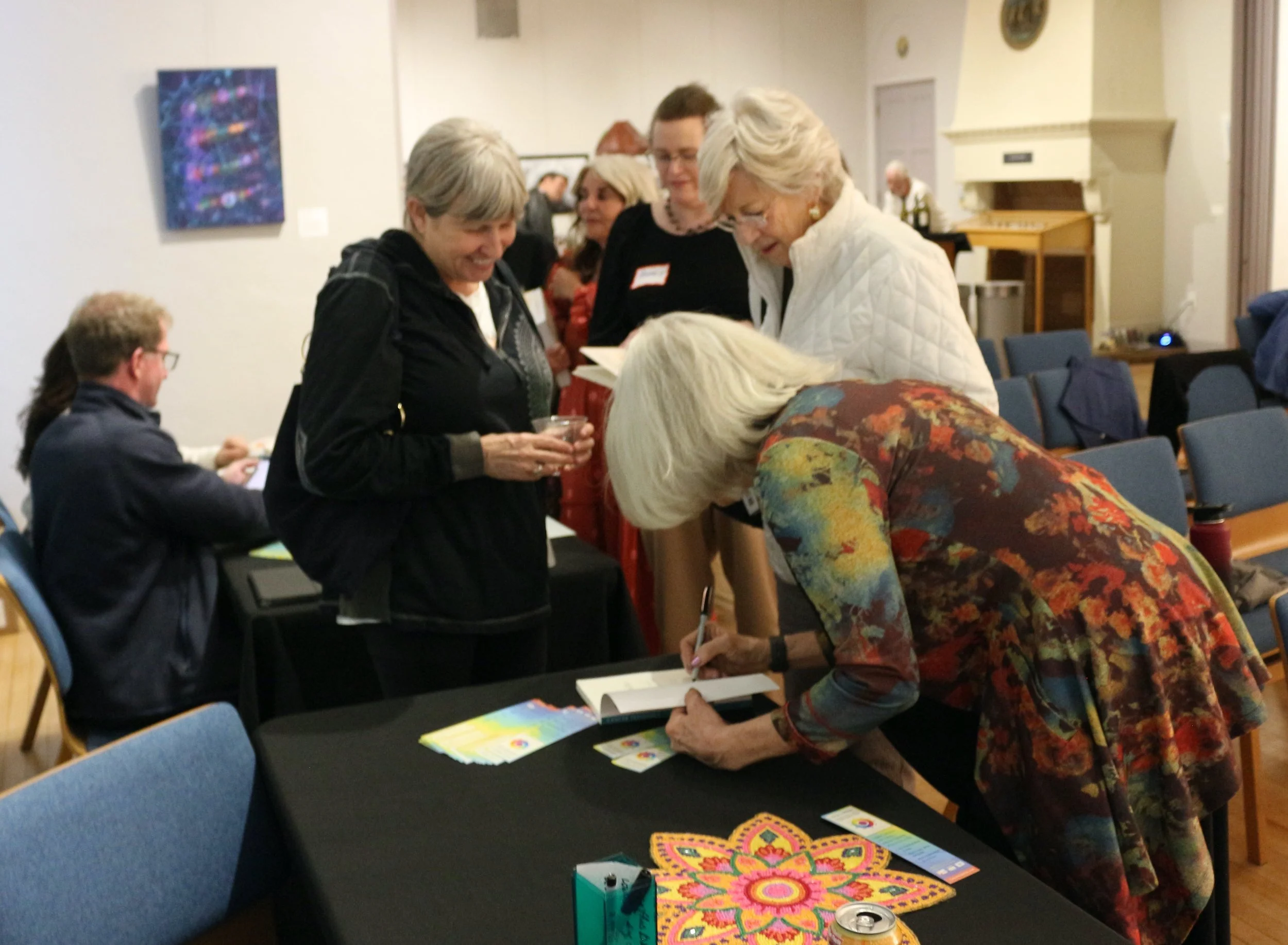
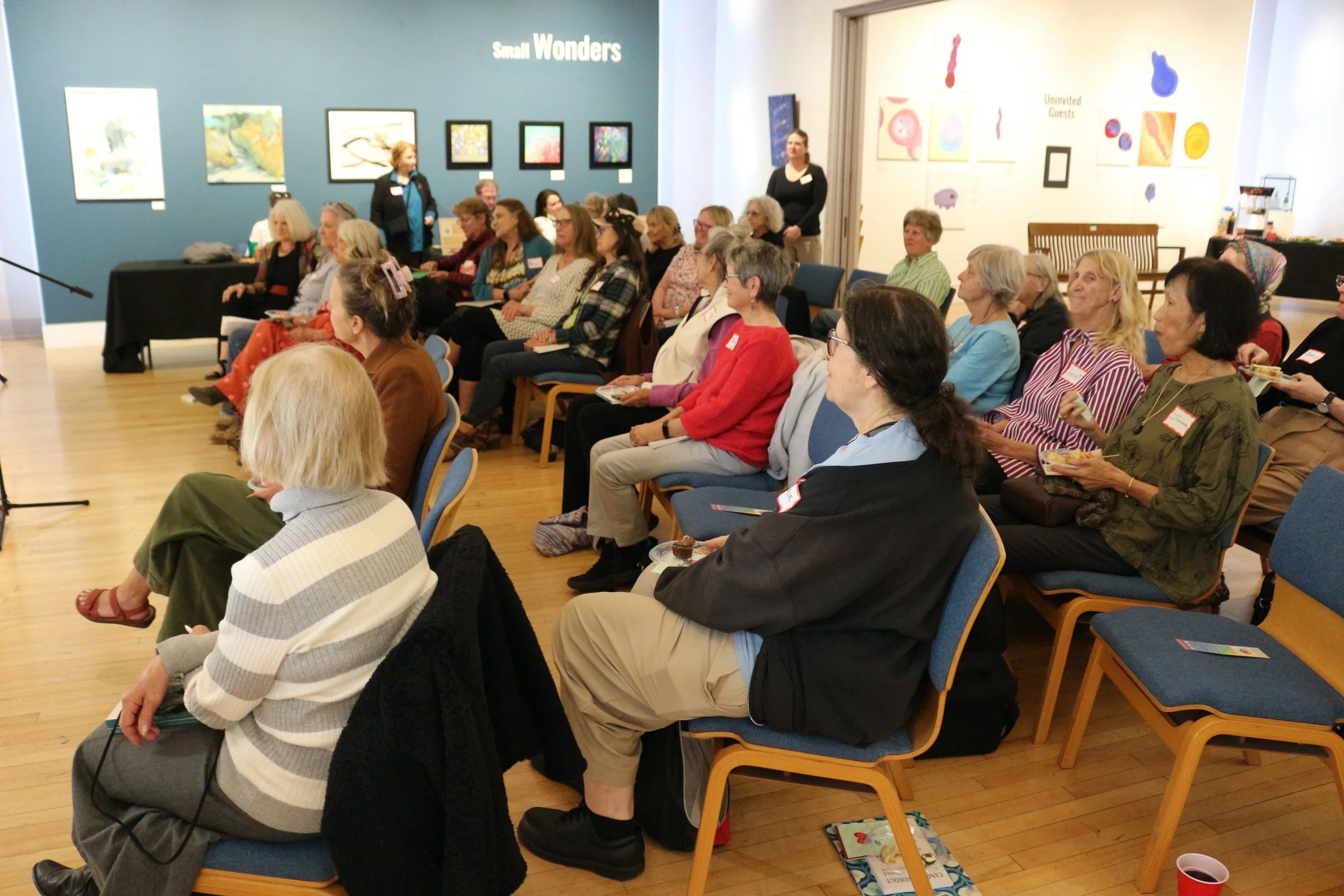
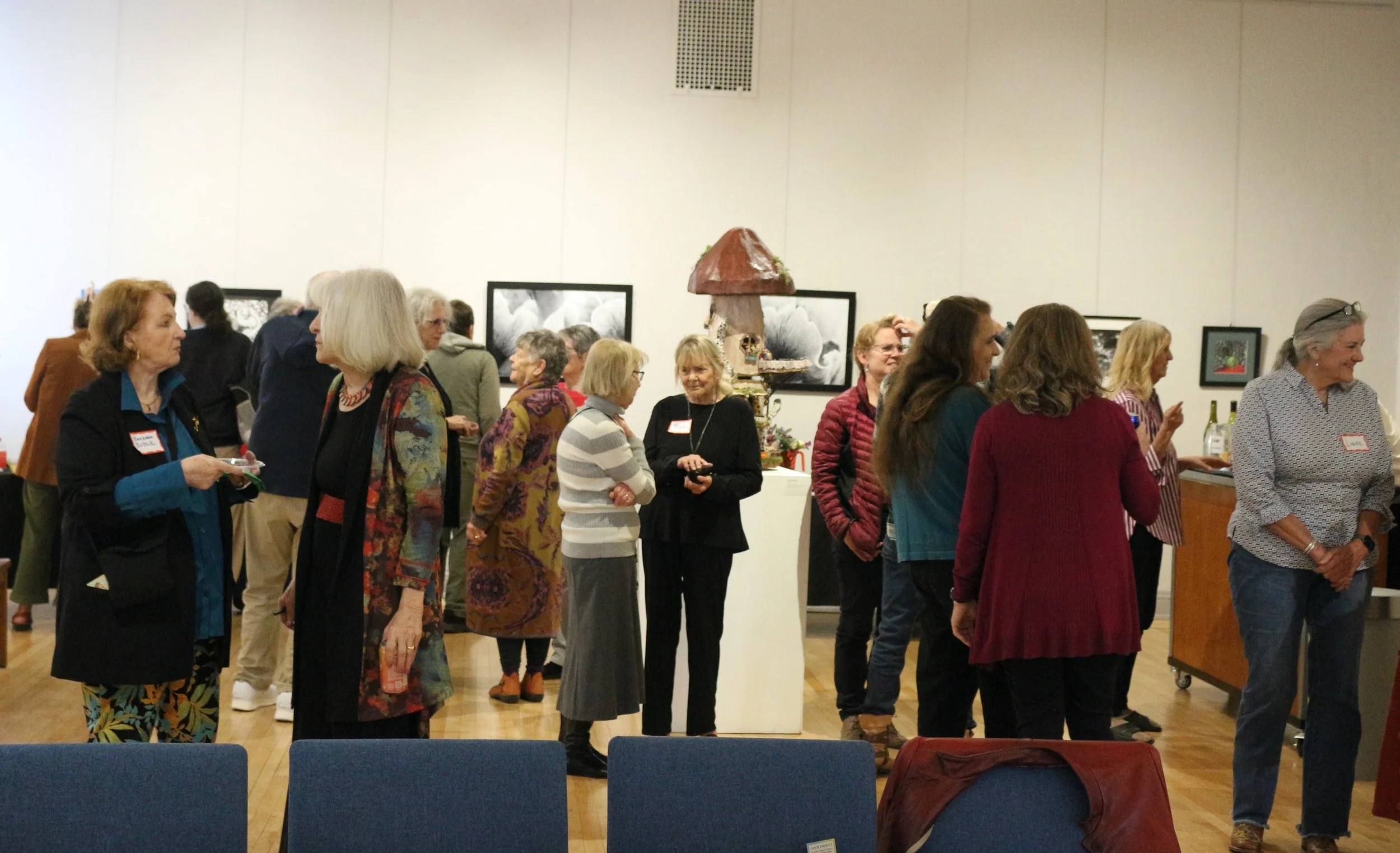
Excerpts from Cancer InsideOut reader reviews & comments shared after presentations.
-
I wish I had had this book while caring for my mother during her terminal cancer. She tried to tell me what she was feeling, but didn't always have the energy or words. This book became my handbook on how to show up and understand what she was going through.
-
As an oncology nurse, I care deeply about the people I see every day. Cancer InsideOut gave me a glimpse into the private thoughts and feelings that people with cancer often never say aloud, even to those closest to them. It also reminded me that healing isn't carried by the medical community alone. Family, friends, and everyday acts of support play an important role throughout the journey.
-
I was diagnosed with advanced cancer when I was 22. It was lonely. None of my friends really understood what I was going through. I didn’t even really understand it, so I couldn’t explain it. A social worker gave me this book. Some of Linda’s writings about cancer put words to feelings I never could explain to myself or to others. I think it’s a book that would help anyone with cancer and the people who love them but don’t always know how to help.
-
When people I cared about were diagnosed with cancer, I wanted to help them. But I was afraid of saying the wrong thing and wasn’t sure how to truly help. This isn't the kind of book you read and put away. It becomes a guide you underline, dog-ear, and gift to the people you love the moment a diagnosis lands because life keeps bringing people who need it.
Cancer InsideOut Available In:
Softback
Hardback
eBooks
Retailers
USA + 30 Countries
Ways to Use this Book
Personal Reading & Reflection
Gift for Family& Friends
Book Clubs or Community Reads
Cancer Support Groups
Medical Center Resource
Speaking & Book Talks
Speaking Programs
Workshops
Community Reads
Virtual Book Clubs
Linda’s Cancer Work
Blog-Articles
Magazine Articles
Published Essays
TV & Podcasts
Cancer InsideOut Facebook Community
Blind Curves—A Woman, A Motorcycle, & A Journey to Reinvent Herself
Linda’s Story of Corporate Suits to Motorcycle Leathers
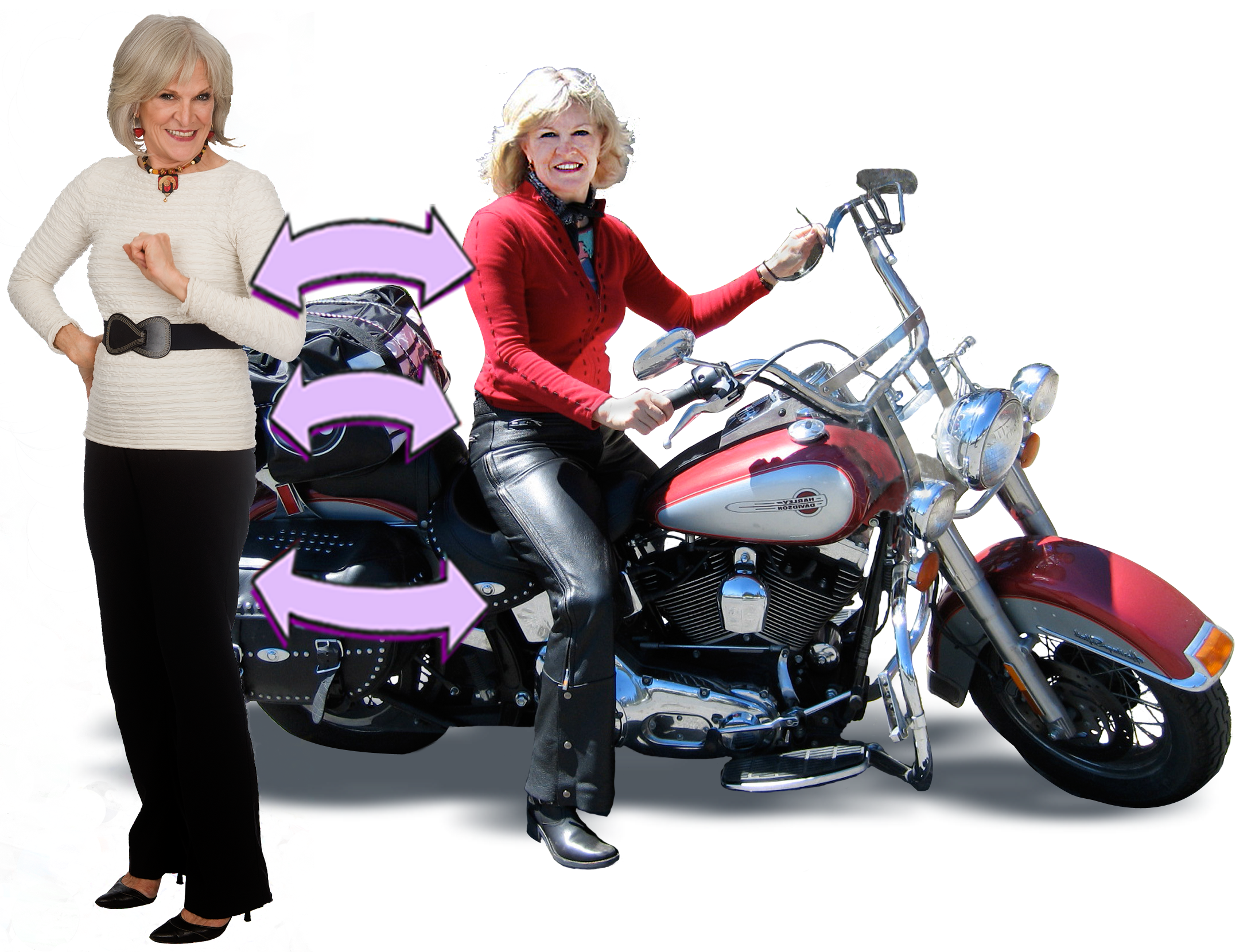
After the death of her husband, Linda Crill trades her corporate suits for motorcycle leathers and commits herself to a 2,500-mile road trip down America’s Pacific Northwest coast on a Harley. The problem—she doesn’t know how to ride and has only thirty days to learn.
By heading into the unknown—the blind curve—Linda faces her fears, tests old beliefs, and discovers not only a broader horizon of possibilities to use in building the next phase of her life, but also the fuel to make it happen.
Blind Curve’s Story
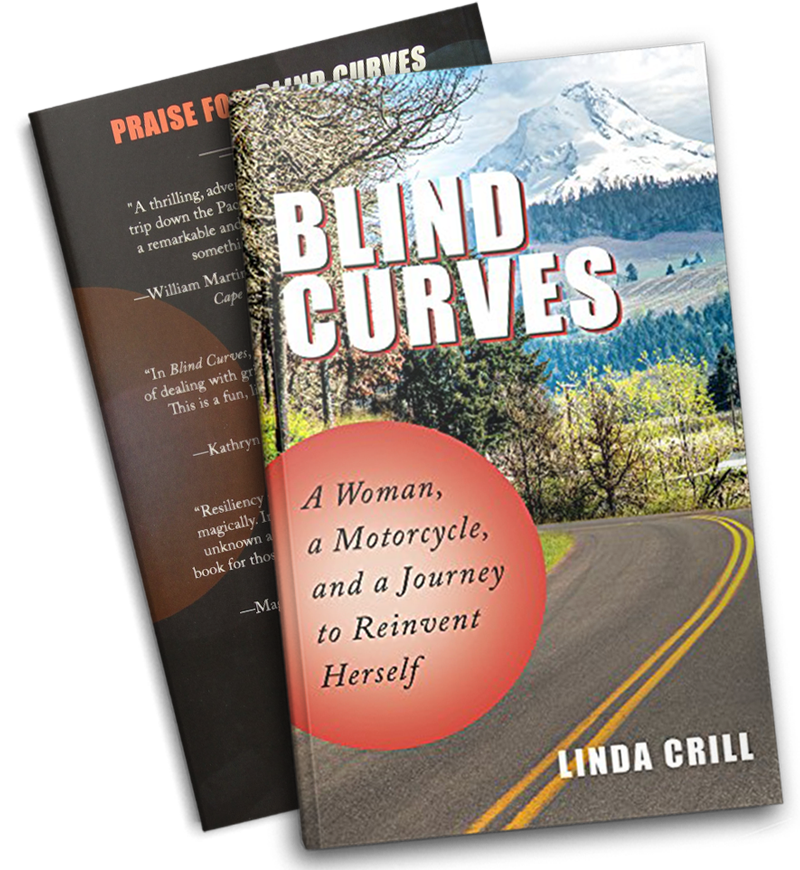
After 18 months of following one-size-fits-all advice for a 57-year-old new widow, Linda Crill is still miserable. In a moment of rebellion, she trades her corporate suits for motorcycle leathers and commits herself to a 2,500-mile road trip down America’s Pacific Northwest coast riding a motorcycle. The problem—she doesn’t know how to ride and had only 30 days to learn.
With less than a month to learn, Linda enrolls in a beginner’s motorcycle course at a Harley dealership. Overwhelmed by the complexities of an 800-pound touring motorcycle and unsure if she can work the biker babe persona, she considers bailing on the trip to retreat into a life of quiet widowhood. But neither option—staying or going—offers the comfort she craves. With little to lose she chooses the road trip, hoping she’ll find answers for rebuilding her life around this blind curve.
From Vancouver, Canada, to the wine country of California, this out-of-character choice became a catalyst for discovering answers to “What Now?” By heading into the unknown—the blind curve—she faces her fears, tests old beliefs, and discovers not only a broader horizon of possibilities to use in building the next phase of her life but also the fuel to make it happen.
“Funny, irreverent, and extraordinarily honest, it’s the perfect read for people looking for ways to reinvent themselves, and anyone asking: “What now?”
—Andrea Roane, CBS news anchor